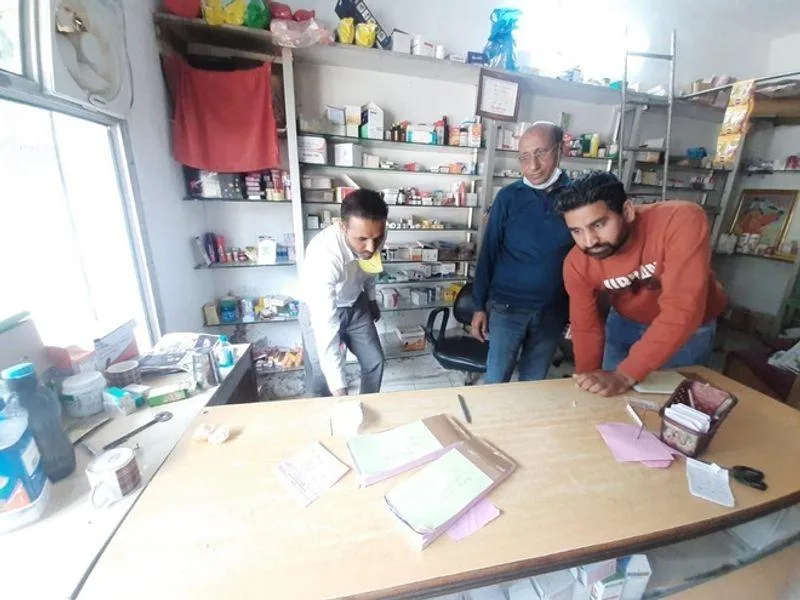
According to the PANJ Foundation’s report, State of Punjab: Data Story of 15 Years, Punjab accounted for 2.94 crore of the 5.13 crore pharmaceutical-drug units seized nationally in 2024. The report also records 1,113 registered drug-overdose deaths in Punjab between 2014 and 2024.
The researchers found that the annual average of juvenile NDPS cases increased from 19.4 during 2017–21 to 33 during 2022–24. They also highlighted a substantial gap between the estimated opioid-dependent population and the number reached through a central treatment programme.
The report draws on official datasets, including National Crime Records Bureau statistics and government records. Its authors caution that seizures and arrests alone do not establish whether drug supply or dependence is declining.
Recent deaths in Mansa and Ludhiana have renewed attention to the alleged sale of habit-forming medicines through chemist shops. Both cases remain subject to investigation. The Indian Express
Why it matters politically: The findings place enforcement, medicine regulation and addiction treatment at the centre of Punjab’s drug-policy debate. District-specific evidence is needed before drawing conclusions about the scale of the problem in Dera Bassi or Zirakpur.